


Views: 0 Author: Site Editor Publish Time: 2026-09-04 Origin: Site


High-density battery packs power everything from modern electric vehicles to compact energy storage modules. These advanced systems demand zero-defect tab connections to function safely. A single joint failure can trigger catastrophic thermal runaway, cause severe voltage drops, or lead to total module failure. Manufacturers constantly debate the ideal joining method for these critical components. Traditional resistance welding provides proven reliability. Meanwhile, laser welding promises incredible speed and non-contact precision. We strip away the marketing hype to evaluate both technologies objectively. You will learn how to assess these methods based on metallurgical realities, operating expenses, and production scale requirements. This guide helps you choose the perfect joining process for your battery manufacturing line.
Material dictates method: Joining highly reflective dissimilar metals (like copper to nickel) introduces unique thermal challenges for both technologies.
Consumables matter: Resistance welding is highly cost-effective but requires specific metallurgical tooling (e.g., a Tungsten Copper Electrode) to prevent tip sticking and joint degradation.
Scale dictates investment: Laser welding scales beautifully for high-volume EV production but carries significant hidden costs in tooling, safety enclosures, and precision fixturing.
The decision driver: There is no universal "best." The right choice depends entirely on your tab thickness, material pairing, production volume, and budget limits.
Battery assembly introduces unique manufacturing hurdles. You cannot simply apply standard industrial joining techniques to delicate energy cells. Manufacturers must navigate three primary obstacles when designing a production line.
Thermal Constraints: Battery cells hate excess heat. The joining method must strictly limit the Heat-Affected Zone (HAZ). A large HAZ transfers dangerous thermal energy into the battery. This heat degrades internal cell chemistry. It also weakens the surrounding polymer seals. You must balance adequate melting temperatures against cell safety.
Dissimilar Metals Challenge: Tab connections frequently unite aluminum, nickel, and copper. These metals exhibit vastly different melting points. They also possess differing electrical conductivities. Joining them forces metallurgists to manage brittle intermetallic compounds. Improper fusion creates weak joints prone to cracking under vibration.
Yield Rate & Consistency: A 99% success rate fails in multi-cell packs. One bad weld ruins an entire module. Manufacturers need predictable, verifiable joining methods. Minimal false positives are mandatory. You must trust the connection quality before the pack moves down the assembly line.
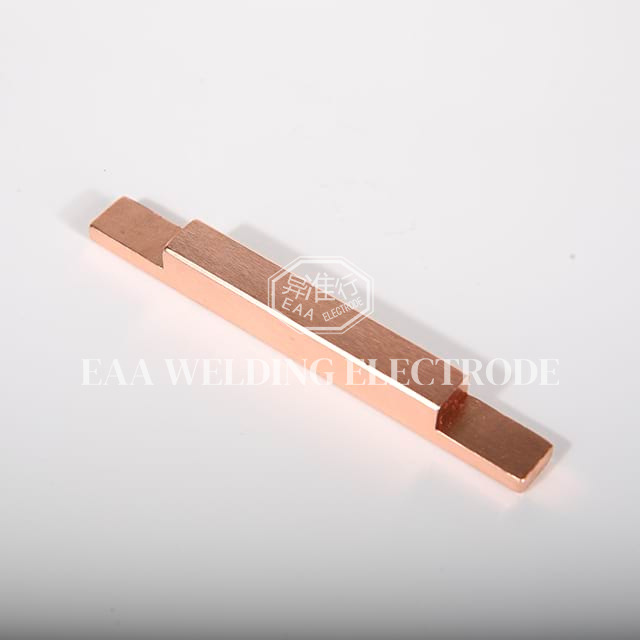
Resistance welding remains the workhorse of battery pack assembly. It utilizes electrical resistance at the metal interface to generate localized heat. The machine applies mechanical pressure simultaneously. This combination forges a solid weld nugget between the tabs.
The tooling drives process stability. Standard copper tips degrade rapidly when welding highly conductive battery tabs. The heat softens the tip, causing it to mushroom. This alters the contact area and drops the current density. Therefore, selecting the correct Spot Welding Electrode becomes the primary variable for success.
You cannot use pure copper tooling for everything. Specialized Tungsten Copper Electrode usage is mandatory for copper and nickel combinations. Tungsten provides high wear resistance. Copper maintains the necessary electrical and thermal conductivity. This composite material prevents the tip from sticking to the workpiece.
Here are the primary advantages and disadvantages of this method:
Pros:
Lower initial capital expenditure (CapEx).
Easier to troubleshoot on the factory floor.
Produces connections boasting high mechanical strength.
Forgiving of minor fixturing variances due to applied clamping force.
Cons:
Slower per-weld cycle time compared to optical methods.
Requires physical contact, limiting access in tightly packed modules.
Demands ongoing tip maintenance, including regular dressing and replacement.
A well-maintained spot welding electrode ensures consistent heat generation. Ignoring maintenance leads to unpredictable penetration and rejected parts.
Laser welding utilizes focused light beams to melt tab interfaces rapidly. These systems deploy fiber, green, or blue lasers. They operate entirely without physical contact. The concentrated beam creates a keyhole or conduction weld, fusing the metals instantly.
Reflectivity presents the biggest technical hurdle. Standard infrared (IR) lasers struggle against copper tabs. Copper reflects most IR light at room temperature. This requires a massive energy spike to initiate melting. Once the metal melts, reflectivity drops suddenly. This rapid change often causes spatter and blowout defects.
Manufacturers overcome this by investing in expensive blue or green lasers. These wavelengths absorb much better into highly reflective metals. Alternatively, engineers use complex beam oscillation techniques. Wobble heads stir the weld pool, improving joint quality without upgrading the laser source.
Consider these advantages and drawbacks:
Pros:
Extremely fast processing speeds.
Achieves deep, highly controlled penetration.
Creates a minimal Heat-Affected Zone (HAZ).
Applies zero mechanical force to the delicate battery cell.
Cons:
High initial CapEx for lasers, chillers, and Class 4 enclosures.
Highly sensitive to part fit-up, requiring zero-gap clamping.
Failure analysis requires complex metallurgical evaluation.
Choosing between these technologies requires analyzing your specific production variables. We break down the core differences across three distinct categories.
Feature | Resistance Welding | Laser Welding |
|---|---|---|
Cycle Time | Moderate (requires physical contact) | Extremely Fast (galvo-scanner directed) |
Part Fit-Up Tolerance | High (compensates via clamping force) | Low (requires near zero-gap) |
Capital Investment | Low to Moderate | High (includes enclosures/chillers) |
Tooling Maintenance | High (electrode dressing/replacement) | Low (protective glass replacement) |
Laser technology demands massive upfront costs. You must buy the power source, sophisticated optics, cooling chillers, and safety enclosures. However, the day-to-day consumable costs remain low. You primarily pay for shielding gas and protective glass covers. Maintenance events cost significantly more when optic components fail.
Resistance methods require a fraction of the initial investment. The machines cost less to purchase and install. However, they rely heavily on consumables. Selecting the right copper alloy electrode dictates your long-term operating expenses. Cheap tips require constant replacement. High-quality tips extend production runs and stabilize your operational budget.
Laser systems excel at joining aluminum and nickel. They create clean, strong welds rapidly. However, joining copper requires advanced optics or specialized wavelengths. Managing intermetallic layers demands precise beam shaping to prevent brittle joints.
Traditional methods work beautifully for nickel and steel. Copper-to-copper joining introduces difficulty. Heat dissipates rapidly through copper materials. You must use specialized tooling like a tungsten copper inlaid electrode. This tool concentrates the heat at the joint interface. It prevents the tip from welding itself permanently to the battery tab.
Lasers win on raw speed. Gigafactories building thousands of EV modules daily rely on optical galvo-scanners. The beam jumps from cell to cell in milliseconds. This non-contact approach suits highly automated, high-volume environments perfectly.
Resistance setups suit low-to-medium volume production. They provide unmatched flexibility for custom packs. You can change tooling quickly to accommodate different cell formats. The process integrates well into manual or semi-automated workstations.
Engineers often miscalculate the true integration challenges of new joining technology. The "laser illusion" traps many facilities. Teams underestimate the cost of precision fixturing. If your battery tabs have a micro-gap, the optical beam will pass straight through or cause severe spatter. The weld will fail. Conversely, the mechanical clamping force of a traditional machine simply pushes the gap closed before applying current.
Tooling supply chains present another major risk. Inconsistent electrode quality causes severe headaches. Poor metallurgy leads to micro-sparking. It accelerates tip degradation and ruins parts. Partnering with a vetted custom resistance welding electrode supplier remains critical. Reliable suppliers ensure consistent tooling performance. This maintains high Overall Equipment Effectiveness (OEE) and prevents unexpected line downtime.
Safety compliance adds unexpected hurdles. Laser setups require strict optical safety protocols. You must build Class 4 light-tight enclosures. You also need heavy-duty exhaust management for toxic fumes generated during metal vaporization. Furthermore, verifying optical welds often requires sophisticated quality assurance tools, such as Optical Coherence Tomography (OCT) or acoustic monitoring systems.
Your engineering team must evaluate the specific constraints of your assembly line. Follow these guidelines to build your shortlist.
Choose Resistance Welding if:
You produce low-to-mid volume battery packs.
You deal primarily with nickel-plated tabs or steel casings.
You require a lower capital entry point.
You value a proven, easily repairable process.
Your facility lacks the space for large safety enclosures.
Choose Laser Welding if:
You build EV-scale modules at extreme volumes.
You process thick aluminum or pure copper tabs.
You require the absolute fastest cycle times available.
You possess the budget for precision automation and fixturing.
Your module design strictly requires non-contact joining.
Next-Step Action: Conduct a physical teardown test. Do not base your decision on datasheets alone. Send your specific tab materials to equipment vendors for sample processing. Evaluate the mechanical pull strength in your own lab. Inspect the cross-sectional metallurgy under a microscope. Confirm the process reliability before committing to any major equipment purchase.
Battery tab joining technology is never a standalone decision. It must align perfectly with your pack design, material selection, and production scale. Neither method offers a flawless, one-size-fits-all solution.
Traditional mechanical methods remain highly competitive. When paired with advanced metallurgy, they deliver incredible consistency. Upgraded tooling prevents typical wear issues and stabilizes long-term costs. Modern optical methods provide unmatched speed and precision. However, they demand stringent process control, expensive fixturing, and rigorous safety compliance.
Focus on your actual production reality. Test your specific materials rigorously. Build a robust relationship with trusted tooling suppliers. By aligning your joining method with your business objectives, you ensure a safe, profitable, and reliable battery manufacturing operation.
A: Yes, but it is difficult. It requires high-current DC welders and specialized tungsten copper inlaid electrodes to prevent sticking and ensure localized heat generation. Pure copper dissipates heat quickly, so you must use composite tooling to focus the thermal energy directly at the weld interface.
A: Copper reflects the infrared wavelengths used by standard fiber lasers. This requires more expensive green/blue lasers or specific process modifications to overcome the initial reflectivity threshold. Once the metal finally melts, the sudden drop in reflectivity often leads to unstable weld pools and spatter.
A: Varies by material and volume. Nickel strips may allow thousands of welds, whereas copper/aluminum mixes degrade tips faster, requiring frequent dressing or replacement to avoid joint failure. Partnering with a reliable supplier helps you source durable alloys that significantly extend your maintenance intervals.


