


Views: 0 Author: Site Editor Publish Time: 2026-08-24 Origin: Site


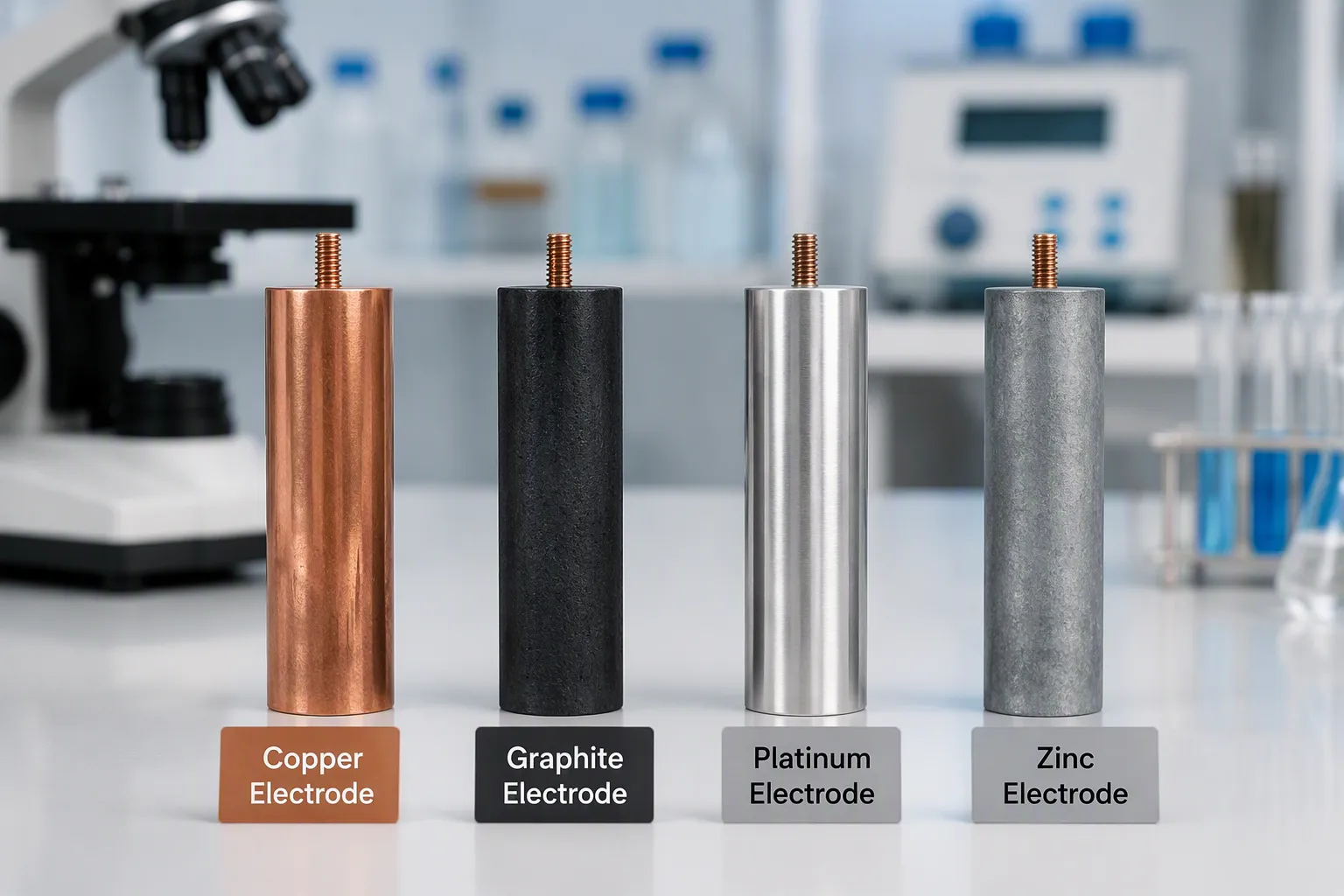
Picking the right electrode material can feel hard. You need to think about cost, conductivity, wear resistance, and your specific use. Whether you use EDM, welding, or electrochemistry, each material has different strengths. A copper electrode, often made from pure copper, is great for its excellent conductivity and precision. This purity makes a copper electrode perfect for jobs that need fine detail. But how does copper compare to graphite, tungsten, and brass? Each option has its own pros and cons. Graphite machines faster, tungsten resists wear better, and brass costs less. This post explains these differences clearly. You will learn which material is best for your project.
Copper electrodes give great conductivity and precision for EDM work that needs high accuracy.
Graphite machines faster but leaves rougher finishes, making it ideal for high-volume jobs.
Tungsten-copper electrodes hold up best against wear, so they last longer in tough welding jobs.
Brass costs less and is easy to shape, but its lower conductivity makes it hard for precise work.
Pick the electrode material based on what you care about most: precision, speed, durability, or cost.
Conductivity shows how well your electrode sends energy to the workpiece. Higher conductivity means faster material removal and better surface quality. A copper electrode gives excellent conductivity because makers produce it from pure copper. This purity allows precise control during EDM operations. You can get fine surface finishes that other materials find hard to match.
Performance also depends on wear rate. Wear rate measures how fast the electrode loses material during use. Lower wear rates mean longer tool life and more consistent results. Tests show copper electrodes work well across different machine settings. For current variation, the average tool wear rate ranges from 0.718 to 1.0031 mm³/min. For Toff variation, the range sits between 0.898 and 0.8415 mm³/min. For Ton variation, you will see values from 0.8406 to 0.9337 mm³/min. Single-objective optimization can achieve a minimum wear rate of 0.6645 mm³/min for copper. These numbers show copper's reliability in demanding applications.
You must balance performance against cost. High-purity copper electrodes cost more than some alternatives like brass. The industrial-grade material needs careful manufacturing processes. These processes add expense. However, the durability of copper often justifies the higher price. A copper electrode lasts longer in precision tasks. You replace it less often. This longevity reduces downtime and saves money over time.
Durability also affects your production schedule. Frequent electrode changes interrupt workflow. Each change requires setup time and recalibration. Copper's wear resistance minimizes these interruptions. You maintain consistent quality across longer production runs. The initial investment pays off through reduced replacement costs and improved efficiency.
Consider your specific application when weighing these factors. High-volume operations might prefer cheaper materials despite lower performance. Precision work demands the reliability that copper provides. Your choice depends on which factor matters more: upfront savings or long-term performance. Many professionals choose copper when accuracy takes priority over budget. The material's combination of conductivity and durability makes it a dependable option for critical projects.
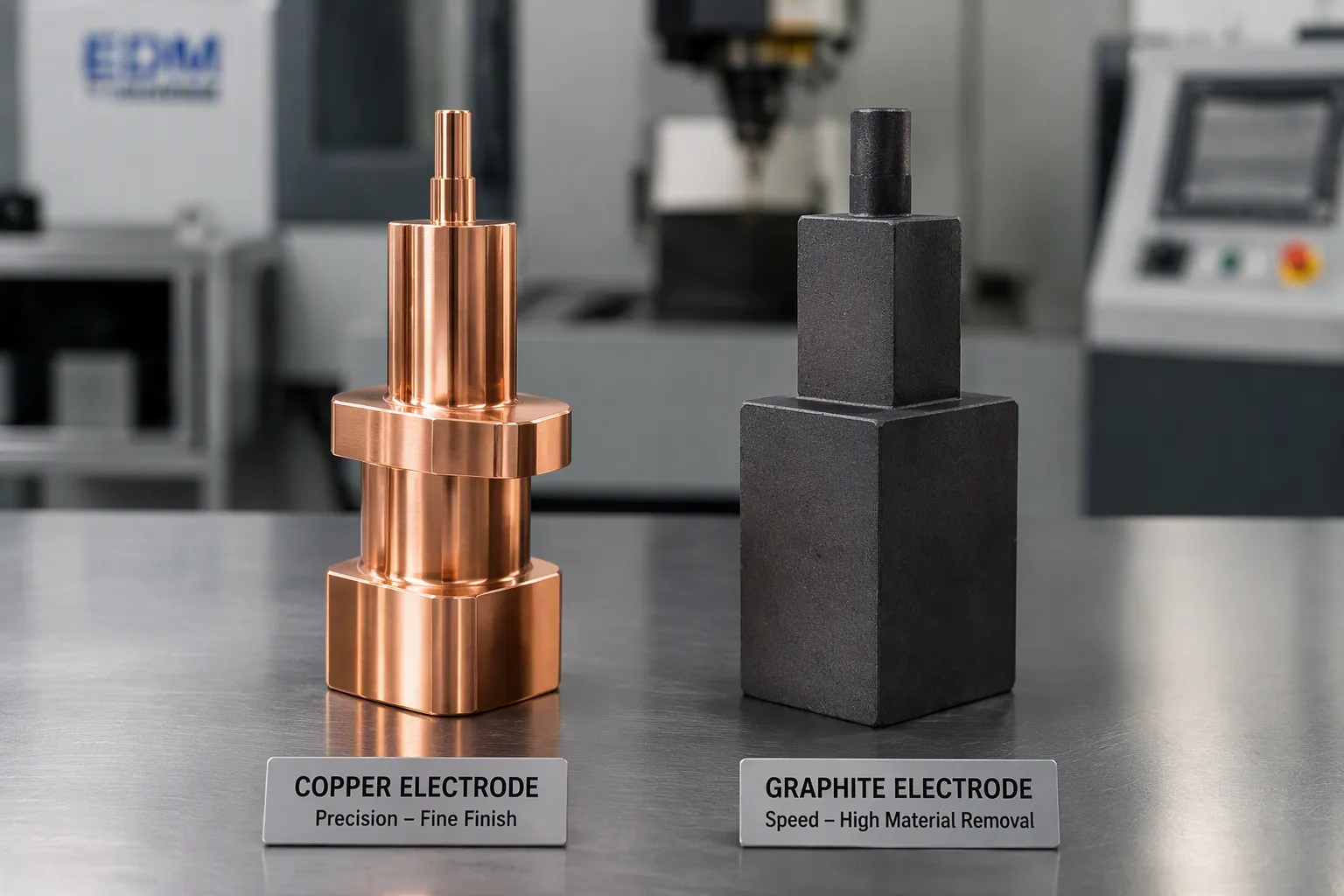
When you compare copper and graphite for EDM, you see two very different materials. Copper is dense and conducts heat very well. These traits affect how it works during machining. Because copper is dense, it removes material more slowly. But this density also gives you great control. You can get fine surface finishes that meet strict requirements. Copper's heat conduction also spreads heat evenly. This even spread lowers the chance of harming your workpiece's surface.
Graphite works the opposite way. It cuts faster than copper, which makes it good for high-volume jobs. The material removal rate is higher, so you finish tasks quicker. But speed has a downside. Graphite leaves rougher finishes than copper. If your project needs smooth surfaces, graphite may not give you the quality you want. The wear rate also differs between these materials. Copper wears more steadily across different machine settings. Graphite can wear unevenly, especially with complex shapes. This uneven wear hurts dimensional accuracy over time.
The choice between these materials often comes down to what matters more: speed or precision. A copper electrode gives you precision. Graphite gives you speed. Neither choice is wrong. Each serves a different purpose in EDM work.
Your application decides which material works best. Copper shines in high-accuracy EDM jobs. You should pick copper when you need fine details, sharp corners, and great surface quality. Industries that make precision parts rely on copper for these reasons. The material works well in jobs where dimensional accuracy is key.
Graphite fits different settings. Many industries use graphite electrodes for EDM, including semiconductors, polysilicon, photovoltaic (PV), light emitting diode (LED), abrasive tooling, advanced ceramics, heat treatment, aerospace, fuel cell, metallurgical, and high-temperature furnace applications. This wide range shows graphite's flexibility. You will also find graphite in tool and die production, aerospace, medical, and automotive industries. Graphite proves especially useful in making high-precision plastic injection molds. It allows intricate features like fine details, thin ribs, helical gears, and precise square-cornered pockets.
So how do you choose? Think about your production volume and quality needs. For high-volume operations where speed matters more than surface finish, graphite works well. For precision work that demands fine finishes, a copper electrode stays the better option. Many shops keep both materials on hand. They switch based on the specific job needs. This flexibility lets you optimize each project for cost and quality.
The key insight is simple. Match the material to the task. Copper for precision. Graphite for speed. Your project's specifications will guide you to the right choice.
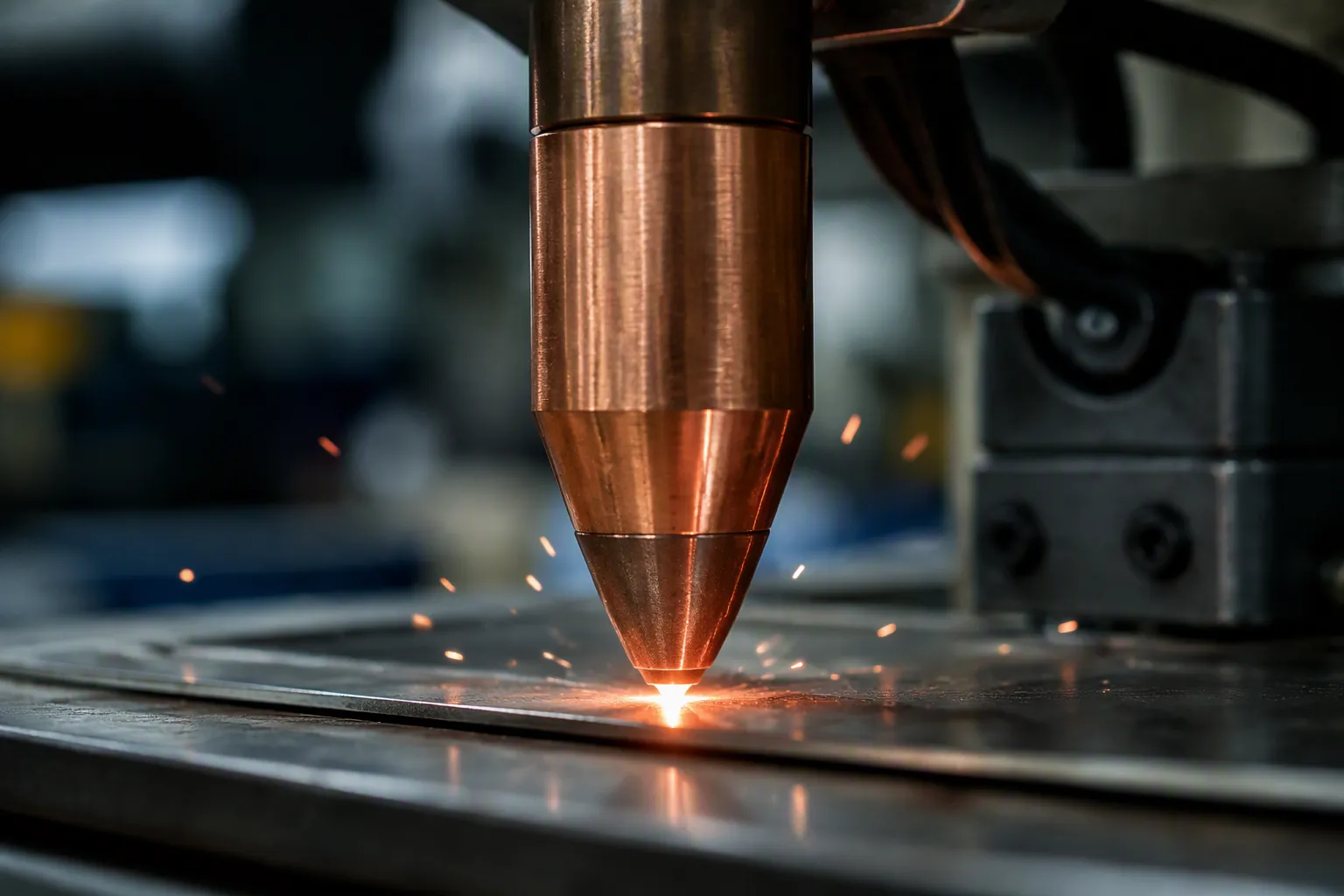
When you need an electrode that can handle extreme conditions, tungsten is the best choice. It resists wear much better than copper in tough jobs. Tungsten-copper (W-Cu) electrodes mix the best qualities of both metals. They have hardness ratings of 180-220 HV. Pure copper only reaches 50-90 HV. This hardness stops the electrode from bending or changing shape during welding. You get steady performance for thousands of operations without the electrode losing its form.
Tungsten melts at 3410°C, the highest of any metal. This extreme heat resistance lets electrodes stay strong under intense thermal stress. W-Cu electrodes can handle thousands of welding cycles without much wear. Pure copper softens at 1085°C. It needs frequent dressing and can stick to workpieces. This sticking problem causes downtime. You must stop production to clean and reshape the electrode. Tungsten avoids this issue completely.
Tungsten also has a low thermal expansion rate of 4.5x10^-6/K. This keeps the electrode stable as temperatures change. This stability cuts downtime and maintenance costs. You get consistent dimensional accuracy across many cycles.
Property | Tungsten-Copper (W-Cu) | Pure Copper |
|---|---|---|
Hardness | 180-220 HV | 50-90 HV |
Melting Point | ≈2,600°C | 1,085°C |
Thermal Expansion | 4.5x10^-6/K | Higher |
Wear Resistance | Excellent | Poor for high-temp |
Tungsten does have downsides. It costs more than copper. It is brittle. You cannot machine it easily. Its machinability rating is only 10. Copper rates 85. Brass rates 120. This brittleness means you must handle it carefully during setup and use. One wrong impact can crack the electrode. You must plan your machining process carefully to avoid damage.
For demanding welding jobs, the trade-off makes sense. You get longer tool life and consistent quality. The initial cost pays off through fewer replacements and less downtime. High-volume welding operations benefit most from this durability. Resistance welding, spot welding, and projection welding all use tungsten electrodes for their long life.
Brass offers a different value compared to tungsten and copper. It costs less than copper. It machines very easily. C36000 brass has a machinability rating of 120. That is the highest of the three materials. Copper rates 85. Tungsten rates only 10. You can produce complex shapes quickly with brass.
Material | Machinability Rating |
|---|---|
Brass (C36000) | 120 |
Copper | 85 |
Tungsten | 10 |
These advantages come with a trade-off. Brass has much lower electrical conductivity. It reaches only 28% IACS. Pure copper provides 100% IACS. To get the same resistance, you need a brass conductor 3.6 times larger than copper. This conductivity gap affects performance in precision work. You lose efficiency in energy transfer.
Material | Conductivity (% IACS) | Relative Conductor Size |
|---|---|---|
Copper | 100 | 1.0x (baseline) |
Brass | 28 | 3.6x |
Brass is a copper-zinc alloy. It contains 60-70% copper and 30-40% zinc. The zinc adds strength. But it disrupts electron flow. This reduces conductivity significantly. You lose the excellent electrical properties that make copper so valuable.
For budget-friendly precision tasks, brass works well. You can machine complex shapes quickly. The lower material cost helps. But for high-precision EDM or electrochemical work, the conductivity loss matters. A copper electrode delivers better results in those applications. You get finer surface finishes and more consistent material removal. The higher conductivity allows faster processing and better control.
Beyond industrial uses, copper shows its versatility in other ways. This application shows copper's value extends beyond machining and welding. It remains a trusted material in laboratory settings too.
Your project's needs will guide you to the right material. For EDM work that needs fine surface finishes, you might think copper is the best choice. But Angstrofine and Ultrafine graphites with high strength and small particles often give the smoothest results. Their small particle size reduces material loss and surface flaws. These flaws would otherwise show up on your workpiece. Their high strength also helps them keep fine details during the machining cycle. You get a final surface that matches the electrode exactly.
Still, a copper electrode is your best pick for high-accuracy EDM when you need sharp corners and steady dimensional control. Copper's density and thermal conductivity give you even wear rates across different machine settings. You can rely on it for precision parts in fields like aerospace and medical device manufacturing.
For welding jobs, tungsten-copper blends offer the best wear resistance. They handle thousands of cycles without changing shape. Brass works well for budget-friendly precision tasks where you need easy machinability. You can make complex shapes quickly without spending too much.
Your choice comes down to what you value most. Use this simple guide:
Application | Recommended Material | Key Advantage |
|---|---|---|
Fine EDM finishes | Angstrofine/Ultrafine graphite | Small particles, high strength |
High-accuracy EDM | Copper | Precision and steady wear |
High-volume, cost-sensitive | Graphite | Faster machining |
Demanding welding | Tungsten-copper | Extreme wear resistance |
Budget-friendly precision | Brass | Easy machinability, low cost |
Remember that copper electrodes also work beyond industrial settings. You will find them in electroplating, jewelry plating, DIY projects, and scientific experiments. This wide range shows copper's versatility.
The best electrode material matches your specific priorities. No single option wins every category.
Think about your production volume, quality standards, and budget. High-volume operations might prefer graphite's speed. Precision work needs the reliability of a copper electrode. Welding jobs require tungsten's toughness. Each material solves a different problem. Your job is to figure out which problem matters most. Then you choose the material that solves it best.
No single electrode wins every category. Your choice depends on what matters most for your project. A copper electrode excels in precision and conductivity, making it ideal for high-accuracy EDM and electrochemical work. Graphite offers faster machining for high-volume jobs. Tungsten provides superior wear resistance for demanding welding. Brass delivers budget-friendly machinability.
Revisit the application-specific sections to match your priorities. Think about your production volume, quality standards, and budget. Each material solves a different problem. Material advancements will continue refining these trade-offs, giving you even better options in the future.
Copper gives excellent surface finishes for precision EDM work. Its density and thermal conductivity allow fine control during machining. However, Angstrofine and Ultrafine graphites often produce the smoothest results. Their small particle size reduces surface flaws. Choose copper for sharp corners. Choose fine graphite for the smoothest possible finish.
Graphite removes material faster than copper, making it ideal for high-volume jobs. You finish tasks quicker with graphite. But speed comes with a trade-off. Graphite leaves rougher finishes. Copper machines slower but gives you better surface quality and dimensional accuracy. Your priority determines which material suits your needs.
Tungsten costs more because of its extreme properties. It melts at 3410°C, far above copper's 1085°C melting point. Its hardness reaches 180-220 HV compared to copper's 50-90 HV. This durability means fewer replacements. The higher upfront price pays off through longer tool life and less downtime in demanding welding applications.
Brass works for budget-friendly tasks, but it cannot match copper's conductivity. Brass reaches only 28% IACS while pure copper provides 100% IACS. You need a brass conductor 3.6 times larger to achieve the same resistance. For high-precision EDM or electrochemical work, copper remains the better choice.


